
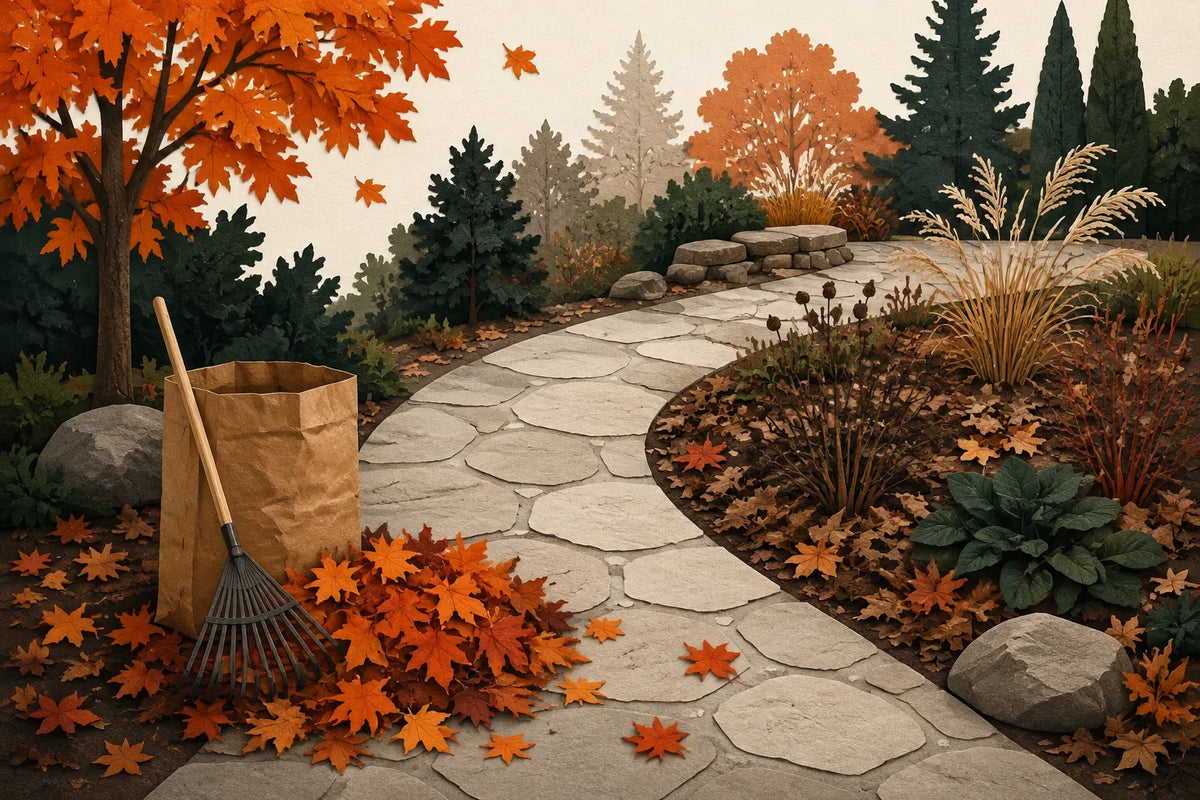
A useful fall yard cleanup checklist starts with deciding what needs clearing, not with trying to remove every leaf. Keep paths usable, choose where collected leaves will go, and split the work into areas you can finish. Garden beds and natural areas may need a different approach from the driveway.
Canadian autumns do not follow one tidy calendar. A windy afternoon can undo yesterday's work, while rain can turn a light scattering into a heavy mat. Build your plan around the conditions on your property and your municipality's collection arrangements.
Start with a short walk, not a running engine
Look at the routes people actually use: front steps, gates, the path to the bins and the driveway. Pick up toys, litter and loose objects before choosing a tool. Notice where leaves collect naturally and where your next pile would block access.
Keep the scope small enough to finish. “Clear the side path and collect that pile” is more useful than “do the whole garden.” If the weather changes halfway through, you still have a completed area rather than several piles waiting to spread again.
Make a separate decision for garden beds
A tidy walking route does not require a bare garden. Toronto's sustainable landscaping guidance explains the habitat value of fallen leaves and plant litter. Consider which natural areas can remain undisturbed instead of treating every surface as a clearing job.
Decide where the leaves are going before moving them
Your destination determines the route. Set out suitable bags or a collection container where you can reach it without carrying everything back across the property. If you compost, check what your system can handle. Do not assume the same disposal method works for invasive plants, litter or branches.
Collection rules are local. For example, the City of Toronto's yard-waste page sets out accepted materials and collection information. Use your own municipality's current guidance for containers, dates and placement; a neighbour's practice is not a substitute for checking.
Clear access, work the edges, then collect
| Area | First decision | Useful next step |
|---|---|---|
| Steps and paths | What must stay accessible? | Clear a usable route and keep piles off it. |
| Open lawn | Which leaves actually need moving? | Work in sections toward your collection area. |
| Beds and borders | What can remain undisturbed? | Use a hand tool where precision matters. |
| Final pile | How will it be collected? | Switch from moving leaves to loading them. |
A blower can be one part of that sequence. A rake, broom or leaf scoop may make more sense at the finishing stage. Our leaf blower vs rake guide explains how to divide the work between tools.
- WalkIdentify access routes, loose objects and areas to leave alone.
- PlanChoose a collection point and check local disposal arrangements.
- ClearFinish one workable section before opening up another.
- CollectBag or contain the pile instead of repeatedly moving it.
Leave room for the weather and the final tidy-up
Try this as a planning example, not a promised completion time: one session for access routes and the front garden, another for the rear lawn, and a final check after the next major leaf drop. Reserve time for collection and putting tools away. Those tasks are part of the job, not an optional extra.
If leaves are wet and packed together, change the plan rather than forcing the same technique. See our wet-leaf cleanup guide. Once the season's work is genuinely finished, use the winter storage checklist and your equipment manual.
Common autumn cleanup questions
Should I wait until every leaf has fallen?
Not necessarily. Keep frequently used paths clear as needed, then group less urgent tasks into manageable sessions. Your trees, weather and collection schedule determine the rhythm.
Do I need a backpack blower for a small garden?
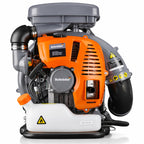
Not automatically. Look at the leaf load, access and work frequency. Compare Schröder backpack leaf blowers if the format fits your work, or start with the hand tools you already own.